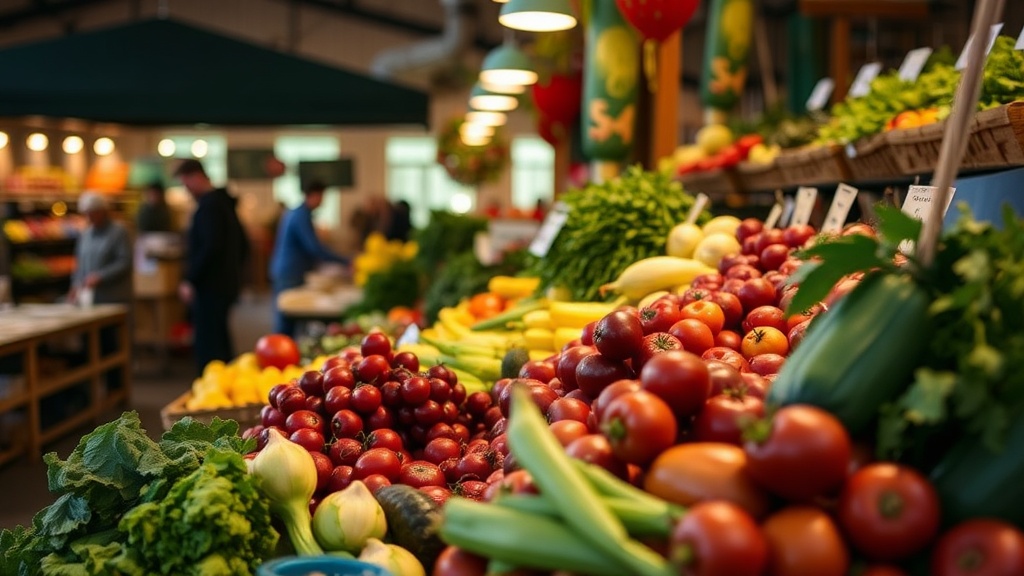
Finding the Best Local Farmers Market Produce

Nearly 70% of Canadians shop at farmers markets at least once a year, yet most people walk in without a plan and leave with nothing but a heavy bag of bruised berries. This guide breaks down how to identify high-quality seasonal produce, what to look for in Saskatchewan-grown crops, and how to time your visits to the Moose Jaw area markets for the best selection.
What Should I Look for in Seasonal Produce?
You need to look for vibrant color, firm texture, and a lack of bruising to ensure you're getting the best value. In the Prairies, our growing season is short, so the quality of produce changes rapidly between June and September.
When you're checking out local greens or root vegetables, look for weight. A heavy potato or a heavy zucchini usually means it's full of moisture and hasn't dried out during transport. If a bell pepper feels light or soft, leave it on the table.
The Ripeness Checklist:
- Berries: Should be deep in color with no visible white or grey mold at the stem.
- Stone Fruit: Feel for a slight give when pressed gently (but don't squeeze too hard—you'll bruise them).
- Root Vegetables: Skins should be tight and smooth, not shriveled or wrinkled.
- Leafy Greens: Look for crisp edges and vibrant, non-yellowed leaves.
It's worth noting that many local producers use organic farming methods to maintain soil health in our semi-arid climate. If you see a sign for organic, check if it's certified or just a local practice—there's a big difference in the paperwork.
How Much Does Local Produce Cost Compared to Grocery Stores?
Local produce is often slightly more expensive per unit than mass-produced items from big-box retailers, but you're paying for freshness and lower carbon footprints. While a carton of strawberries might cost a dollar more at a market than at a massive supermarket, the flavor profile is often vastly different.
Here is a rough comparison of what you might expect to pay for common seasonal staples in the Saskatchewan region:
| Produce Item | Typical Market Price (Local) | Typical Grocery Price (Mass-Produced) |
|---|---|---|
| Strawberries (1 Pint) | $5.00 - $6.00 | $3.50 - $4.50 |
| Green Beans (Bunch) | $3.00 - $4.00 | $2.50 - $3.00 |
| Local Honey (500g) | $8.00 - $12.00 | $6.00 - $9.00 |
| Seasonal Greens (Bunch) | $3.00 - $5.00 | $2.00 - $4.00 |
The price gap is often justified by the shelf life. A grocery store tomato might be mealy by the time it hits your kitchen, whereas a market tomato can stay perfect on your counter for a week. That's a huge win for your pantry.
If you want to save a bit of money, buy what is currently in peak season. Buying strawberries in late August is significantly cheaper than trying to find them in May.
When is the Best Time to Visit the Market?
The best time to visit is usually within the first hour of the market opening to secure the best selection and avoid the crowds. Most local markets in the Moose Jaw area start early, often around 8:00 or 9:00 AM.
If you arrive late, you'll find better deals—vendors are often willing to slash prices to avoid hauling unsold goods back to the farm—but you'll be fighting for the leftovers. I've seen people snag incredible deals on berries at the very end of a market session, but you're essentially gambling on what's left. If you want the absolute best quality, go early.
Don't forget to check the weather. Saskatchewan weather is unpredictable; a sudden thunderstorm can drive vendors away or make the market a muddy mess. Always check the local forecast before you head out of the house.
Pro Tips for a Better Market Experience
- Bring your own bags: Most vendors don't provide heavy-duty bags, and having your own reusable totes makes the process much smoother.
- Bring cash: While many vendors now use Square or other digital payment systems, some smaller-scale farmers still prefer cash for smaller transactions.
- Ask about the harvest: Don't be shy. Ask the farmer when the item was picked. If they say "this morning," you've hit the jackpot.
- Check for seasonality: If you're looking for something specific like heirloom tomatoes, don't expect them in early June.
A lot of people forget that the market isn't just a place to buy food; it's a way to connect with the people who actually grow it. If you're looking for a way to slow down, maybe grab a coffee first. I've written about where to find a quiet corner in Moose Jaw if you want to enjoy your morning before hitting the stalls.
One thing to watch out for is the "pre-packaged" trap. Sometimes, vendors sell pre-washed, pre-cut vegetables. While convenient, these often have a much shorter shelf life than the whole versions. If you have the time, buy the whole vegetable and prep it yourself at home. It's cheaper and lasts longer in your fridge.
The quality of soil and water is a big factor in how well crops grow in our region. You can learn more about the Canadian agricultural standards to understand how much regulation goes into what you're actually eating. It's not just a guy with a truck; there's a whole system behind that peach or that bunch of kale.
If you find yourself with extra produce that you can't finish, don't let it go to waste. Use it in preserves or even freeze it for the winter months. The Prairie winters are long, and having a stash of summer berries in your freezer is a lifesaver come January.
A final thought on local shopping: always look at the labels. If a vendor is selling "locally grown" produce, but it's actually coming from a massive industrial farm three provinces away, they should be transparent about it. Real local producers are usually proud to tell you exactly which farm their goods came from.
Steps
- 1
Check the Seasonal Calendar
- 2
Arrive Early for Best Selection
- 3
Bring Reusable Bags
- 4
Ask Vendors About Harvest Dates