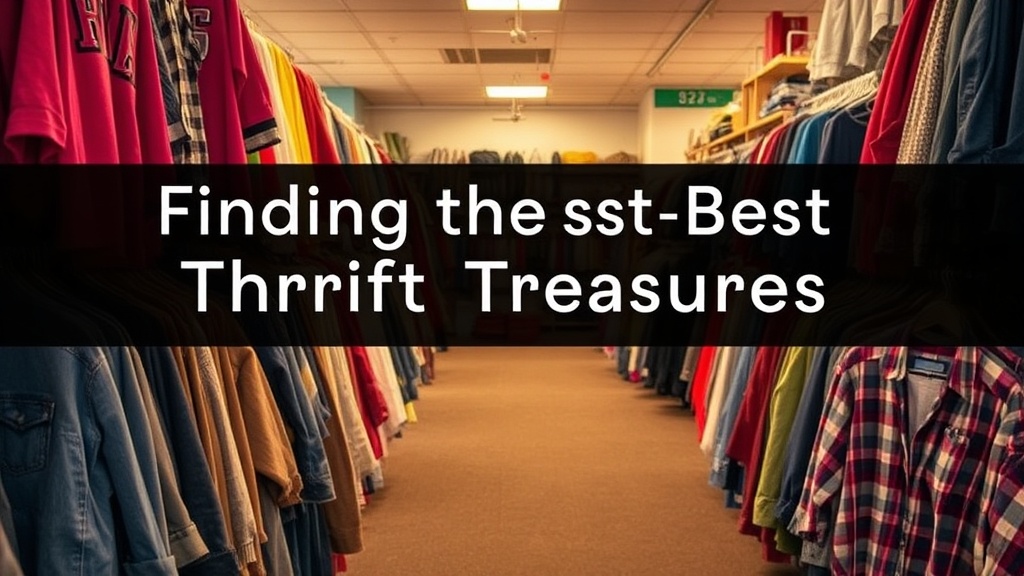
Finding the Best Thrift Treasures in Moose Jaw

Are you looking to score high-quality vintage gear or home decor without paying full retail prices in Moose Jaw? This guide covers the best thrift stores in our area, how to spot quality brands, and the best times to hunt for specific items. Whether you're looking for a vintage denim jacket or a mid-century modern lamp, knowing where to look makes all the difference.
Where are the best thrift stores in Moose Jaw?
The best thrift stores in Moose Jaw are a mix of large-scale charity shops and small, curated vintage boutiques located near the downtown core and along Main Street. If you want high volume and low prices, the major charity organizations are your best bet. If you want specific aesthetics—like 90s streetwear or high-end kitchenware—you'll want to hit the smaller shops.
The Salvation Army Thrift Store is a staple for a reason. It's massive, and you can often find everything from heavy winter coats to kitchen appliances. It’s a great spot if you're hunting for specific brands like Patagonia or The North Face, though you have to dig through the racks to find them. On the other hand, local shops often focus more on curated vintage. These spots might charge a bit more, but the selection is much more intentional.
Don't overlook the local community thrift shops. These are often run by smaller non-profits or local groups. You'll find a lot of "prairie practical" items here—think heavy-duty workwear and durable home goods. It's a great way to support local causes while finding stuff that actually lasts.
Here is a quick breakdown of what you can expect at different types of shops in town:
| Shop Type | Best For... | Price Point |
|---|---|---|
| Large Charity Shops | Bulk clothing, kitchenware, toys | $ |
| Curated Vintage | Designer labels, retro decor, unique finds | $$$ |
| Local Non-Profit Shops | Practical household goods, basic apparel | $ |
| Estate Sales/Pop-ups | High-end furniture, antique collectibles | $$ |
How do I know if thrifted clothing is high quality?
You can determine if thrifted clothing is high quality by checking the fabric composition tags, the weight of the material, and the integrity of the seams. High-quality garments are usually made from natural fibers like wool, cotton, or silk rather than synthetic blends.
First, always check the care tag. If a shirt is 100% heavy cotton or a high percentage of merino wool, it's likely a keeper. Synthetics like polyester are fine for gym wear, but for everyday clothes, natural fibers tend to hold up better through multiple washes. Also, feel the weight. A heavy, thick denim jacket will almost always outlast a thin, fast-fashion version. (I always check the weight of a sweater before I even look at the price.)
Next, look at the construction. Turn the garment inside out. Are the seams straight? Is there fraying at the edges? If you see loose threads or holes in the armpits, leave it on the rack. You can also check the hardware. Zippers on brands like Levi's or Carhartt should feel heavy and move smoothly. If a zipper is stuck or feels flimsy, it's a sign the item has seen better days.
One thing to watch out for is "pilling." This is when small balls of fuzz form on the fabric. While it can often be fixed with a fabric shaver, it's a sign that the fibers are breaking down. If you see heavy pilling on a sweater, it might be nearing the end of its life.
For more information on textile standards and how to care for different fabrics, you can check out the Wikipedia page on textiles. It's a deep dive, but it helps you understand what you're actually looking at when you read those tiny white tags.
When is the best time to go thrifting in Moose Jaw?
The best time to go thrifting is early in the week or on the mornings when new shipments are processed and put out on the floor. Most shops receive their donations in cycles, and the freshest items hit the floor almost immediately after being sorted.
If you're looking for a deal, Saturday afternoons can be interesting. Many shops start marking down older inventory to make room for new stock. However, the catch is that the best stuff is often gone by then. If you want the "gold," you need to be there when the doors open.
Keep an eye on the seasons, too. In the Prairies, we have very distinct needs. In late September, you'll see a massive influx of heavy winter gear—parkas, boots, and thermals. If you try to buy a heavy winter coat in July, you'll likely find a very limited selection. Similarly, spring is the time to hunt for lighter layers and outdoor gear for gardening or hiking.
Pro-tips for a successful hunt:
- Bring your own bags: Most shops won't provide bags, and it's better for the environment anyway.
- Check your pockets: It's easy to get distracted by a cool item and forget you're holding something else.
- Look at the "unfashionable" sections: Sometimes the best vintage pieces are tucked away in the "miscellaneous" or "old clothes" bins.
- Inspect everything: Don't just look; touch. Check for stains, odors, and small holes.
It's also smart to check local community groups on social media. Often, people will list "garage sale" or "estate sale" items there before they even hit the thrift stores. This can be a way to find high-end furniture or tools at a fraction of the cost you'd find at a retail store.
If you're looking for specific vintage electronics or tools, keep an eye on local classified sites. Sometimes, people in the Moose Jaw area list items there that are too bulky or niche for the standard thrift shops. It's a different kind of hunt, but it's often more rewarding if you have a specific project in mind.
When you're hunting for vintage electronics, remember that older tech can be finicky. If you're buying an old turntable or a vintage amplifier, try to ask the seller if it has been tested recently. If you're buying something that requires electricity, be aware of the voltage and compatibility with modern setups. This is especially true for items that might have been imported from different regions.
One thing I've learned is that the best finds often require patience. You might spend two hours digging through a bin of old linens only to find a single, perfect vintage tablecloth. That's part of the fun. If you go in with an open mind and a sense of humor, you'll have a much better time. Don't get frustrated if you don't find a "holy grail" on your first trip. The inventory is constantly changing, and what you missed today might be waiting for you next Tuesday.
Lastly, don't be afraid to ask questions. Most people working in local thrift shops are happy to tell you about the history of a piece or if they've seen more of a certain type of item lately. They are often enthusiasts themselves, and a quick conversation can lead to a great find or a tip on where to look next. Building a rapport with the staff can even help you stay in the loop when they get particularly interesting donations.
Steps
- 1
Research Local Neighborhoods
- 2
Check Weekly Donation Cycles
- 3
Inspect Items Carefully
- 4
Negotiate at Consignment Shops