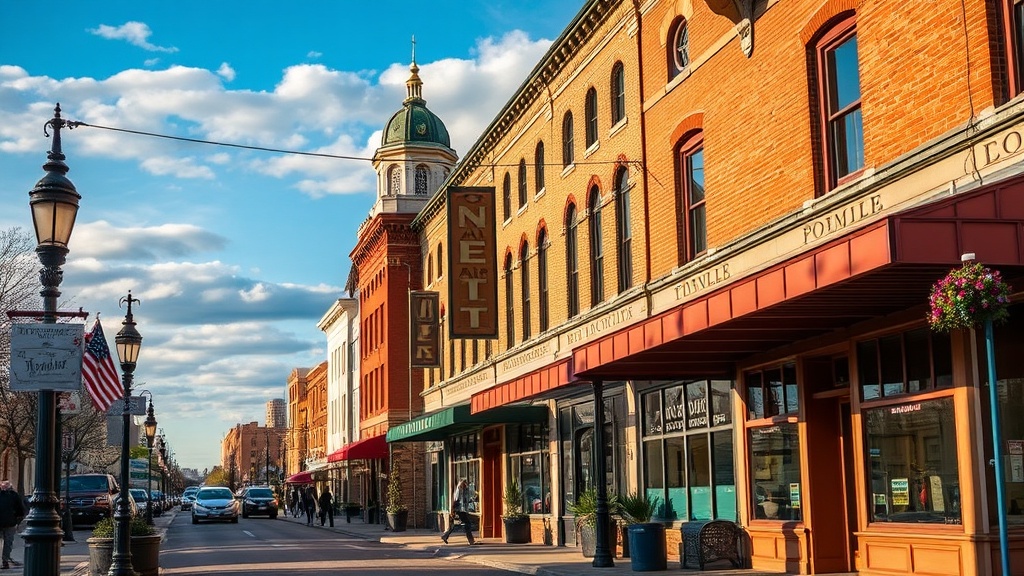
How to Spend a Perfect Day Exploring Historic Downtown Moose Jaw

Downtown Moose Jaw packs more history per square block than most Prairie cities twice its size. This guide maps out a complete day—from morning coffee to evening cocktails—covering the best historic sites, local eateries, and hidden corners worth your time. Whether you're a Saskatchewan resident planning a weekend trip or a curious traveler passing through, you'll leave with a full itinerary and zero guesswork.
What Are the Must-See Historic Buildings in Downtown Moose Jaw?
The Capitol Theatre (1929) sits at the heart of it all. This Spanish Colonial Revival gem—complete with its original marquee—hosted vaudeville acts and early "talkies" during Moose Jaw's Prohibition-era heyday. The theatre still operates today, screening independent films and hosting live performances. Step inside to see the hand-painted ceiling medallions and vintage chandelier that survived nearly a century of Saskatchewan winters.
A five-minute walk south brings you to the Moose Jaw City Hall, a limestone behemoth built in 1914. The clock tower—visible from nearly anywhere downtown—has kept time through two world wars and the city's transition from railway hub to modern Prairie center. The building's Richardsonian Romanesque architecture (think rounded arches and heavy stonework) makes it a photographer's favorite, especially during golden hour.
Here's the thing: some of the best architecture isn't on the main drag. Duck down River Street to find the Old CPR Station, now repurposed as a community space. The red-brick facade and original platform canopy remain intact—a reminder that Moose Jaw was once the "Chicago of the North," a critical junction for cross-Canada rail traffic.
Don't skip Crescent Park either. While technically adjacent to downtown, this 28-acre green space features the Tunnels of Moose Jaw entrance (more on that shortly), plus the Moose Jaw Museum & Art Gallery housed in a 1960s brutalist building that somehow works beside its older neighbors. The park's bandstand—donated in 1909—still hosts summer concerts.
Where Should You Eat and Drink During Your Downtown Visit?
Grant Hall for lunch. Full stop. This boutique hotel's dining room occupies a 1927 building that originally served as a luxury spot for traveling businessmen. The Reuben here—stacked with house-cured corned beef—is the best in the city. The bar, all dark wood and vintage fixtures, pours local brews from Moosehead Brewing and Saskatchewan craft options like 9 Mile Legacy out of Saskatoon.
Morning coffee belongs at Reverence Coffee on Main Street. The exposed brick walls and reclaimed wood tables set the scene, but the real draw is the beans—roasted in small batches by owners who actually know their Ethiopian Yirgacheffe from their Colombian Huila. The cinnamon buns (baked fresh by 7 AM) sell out by 10 on weekends. Get there early.
The catch? Downtown Moose Jaw isn't overflowing with dinner options. That said, Boston Pizza on Main Street occupies a converted historic building—unusual for a chain—and the second-floor patio offers solid people-watching. For something more upscale, Jack Keaton's BBQ & Grill (technically just outside the core) serves smoked brisket that rivals anything coming out of Alberta. Worth the five-minute drive.
Evening drinks have one clear winner: The Grant Hall Lobby Bar. Yes, again. The cocktail program here leans classic—Old Fashioneds, Manhattans, proper Negronis—mixed by bartenders who aren't counting the seconds on their jiggers. During summer, the rooftop patio opens. Grab a corner table. Watch the sun set behind the grain elevators. You'll understand why people stay in Moose Jaw.
| Meal | Spot | Order This | Historic Angle |
|---|---|---|---|
| Breakfast | Reverence Coffee | Cinnamon bun + Americano | Building dates to 1912 |
| Lunch | Grant Hall | Reuben sandwich | 1927 luxury hotel |
| Afternoon | Yvette Moore Gallery | Coffee + scone | Former Main Street mercantile |
| Dinner | Jack Keaton's | Smoked brisket plate | Housed in 1920s garage building |
| Drinks | Grant Hall Lobby Bar | Old Fashioned | Original 1927 fixtures |
Are the Moose Jaw Tunnels Worth Your Time and Money?
Yes—though manage expectations. The Tunnels of Moose Jaw aren't an archaeological site. They're a theatrical experience built into the city's underground network (originally steam tunnels and storage cellars beneath downtown streets). Two guided tours run daily: "Passage to Fortune" (Chinese immigrant experience, 1900s) and "The Chicago Connection" (Prohibition-era rum-running).
The Chinese immigrant tour hits harder historically. Guides in period costume narrate the story of early Chinese laborers who faced exclusion, head taxes, and brutal working conditions. The sets—laundry shops, cramped living quarters, railway construction scenes—are detailed enough to transport you. That said, some of the acting veers toward community theatre. The history itself is the draw.
The Chicago Connection plays looser with facts. Yes, Al Capone probably visited Moose Jaw. Yes, the city was a hub for smuggling Canadian booze into the dry United States. But the tour leans into the legend more than the documentation. It's fun—gangster costumes, hidden doors, a mock speakeasy—just don't cite it in a history paper.
Worth noting: tour slots fill fast on summer weekends. Book online through Tourism Moose Jaw at least two days ahead. Each tour runs about 50 minutes. Wear comfortable shoes—the tunnel floors are uneven, and the temperature hovers around 15°C even in July. Bring a sweater.
What Local Shops and Galleries Should You Actually Visit?
Yvette Moore Gallery occupies a restored 1912 Main Street building and showcases the city's best-known contemporary artist. Moore's acrylic paintings—vibrant Prairie landscapes, vintage vehicles, small-town street scenes—capture Saskatchewan's visual identity without slipping into postcard sentimentality. The gallery also stocks pottery, jewelry, and prints by regional makers. Even if you're not buying, the space itself—original tin ceilings, massive front windows—is worth a walk-through.
For something quirkier, The Crushed Can (yes, that's the name) deals in vintage clothing, records, and oddities. The inventory turns over fast—one week it's 1970s denim jackets and original pressings of Rumours, the next it's mid-century furniture and taxidermy. The owners clearly enjoy the hunt more than the organization. Dig through the bins. You'll find something.
Book browsers should hit Turning the Tide, an independent shop specializing in progressive titles, local history, and Prairie literature. The staff recommendations are reliable—this isn't a store where employees just alphabetize. Ask about Saskatchewan authors. They'll point you toward W.O. Mitchell classics or newer voices like Candace Savage.
The Moose Jaw Farmers' Market runs Saturday mornings in the Mae Wilson Theatre lobby (May through October). Vendors sell everything from homemade perogies to hand-forged kitchen knives. It's small—maybe 20 stalls—but everything's local. The saskatoon berry jam alone justifies the trip.
What's the Best Way to Get Around Downtown Moose Jaw?
Walk. The historic core spans maybe eight square blocks. From the Capitol Theatre to Crescent Park's far edge is a 12-minute stroll at moderate pace. Sidewalks are wide, crosswalks are clearly marked, and traffic moves slowly (the main drag is only two lanes). Parking is free on most side streets and cheap even in the municipal lots.
Biking works too. The City of Moose Jaw maintains paved paths through Crescent Park and along the Moose Jaw River. Bring a lock—bike racks dot Main Street, though they're the basic hoop style. No bike-share program exists yet, so you're bringing your own or renting from Bike Doctor on High Street (about a kilometer from downtown).
That said, winter changes the equation. From November through March, downtown Moose Jaw is cold. Windy cold. The kind of cold that makes you question Prairie settlement patterns. If you're visiting then, plan shorter outdoor segments with warm-up stops at Reverence Coffee or the Public Library (a 1913 Carnegie building with original fireplaces and actual warmth).
When's the Best Time to Visit Downtown Moose Jaw?
July and August deliver the full experience. Sidewalk patios open. The Sidewalk Days Festival (third weekend in July) shuts down Main Street for vendors, food trucks, and live music. Evening temperatures stay comfortable past 9 PM—rare for the Prairies.
September brings quieter charm. Fewer tourists, lower hotel rates, and the Moose Jaw Pride Festival (early month) adds color to the downtown streets. The light shifts—longer shadows, golden afternoons—making photography around the historic buildings particularly rewarding.
Winter visitors get the Tunnels to themselves (no lines, no booking ahead) and the Snowbirds Festival in February, when the city embraces its nickname with ice sculptures and a downtown pub crawl. Just pack layers. Serious layers. The wind off the prairie doesn't negotiate.
Downtown Moose Jaw rewards the curious. The buildings tell stories—of boom times and busts, of immigrants and entrepreneurs, of a city that kept its historic bones while other Prairie towns tore theirs down. Spend a day walking these blocks. You'll see why locals stick around—and why visitors come back.
Steps
- 1
Start Your Morning with Coffee and Murals on Main Street
- 2
Explore Local Boutiques and the Famous Moose Jaw Tunnels
- 3
End Your Day with a Prairie-Inspired Dinner and Sunset Views