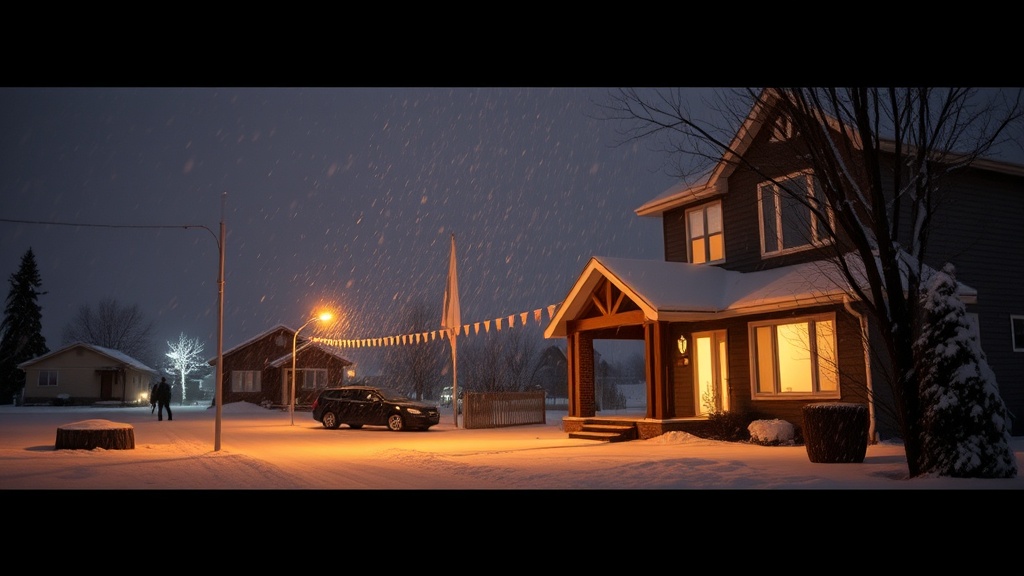
Maintaining Your Moose Jaw Property During Extreme Saskatchewan Weather

Did you know that Moose Jaw experiences some of the most drastic temperature swings in the province, often dropping from a mild afternoon to sub-zero temperatures in just a few hours? This rapid cycling doesn't just affect how we dress; it puts immense pressure on our local infrastructure and residential properties. Whether you live in a historic home near the downtown core or a newer build in the North West, understanding how to manage your property through the seasonal shifts is a matter of long-term stability for our community.
Living in Moose Jaw means we are constantly negotiating with the elements. The wind whipping across the prairies can strip heat from a house in minutes, and the freeze-thaw cycles we see every spring can wreak havoc on foundations. We've seen how a lack of preparation can lead to much more than just a high heating bill; it can lead to structural issues that take years to repair. This guide focuses on the practicalities of home maintenance specifically for our local environment.
Where can I find local weather alerts for Moose Jaw?
Staying ahead of the weather is the first step in protecting your home. For real-time updates that matter to our local streets, you should keep an eye on the Environment Canada warnings. While the national reports are great, we often find that local community groups on social media provide the most immediate "boots on the ground" reports—like when a sudden snow squall hits Main Street or when a heavy frost settles over the residential areas near Pallier Street. Knowing when a freeze is coming allows you to act before the damage is done.
Our local municipal services often provide guidance during extreme events, but much of the prevention happens at the household level. For instance, when the temperature drops rapidly, your first priority should be your plumbing. Even a small oversight can lead to a burst pipe, which is a nightmare for any Moose Jaw homeowner. We suggest checking your insulation levels in the attic and around your basement windows—areas that are particularly vulnerable during our long Saskatchewan winters.
How do I prevent frozen pipes in Moose Jaw?
Preventing frozen pipes is a top priority for many of us living in the older, more character-filled neighborhoods of Moose Jaw. Older homes often have plumbing lines that run closer to the exterior walls, making them highly susceptible to the cold. Here is a quick checklist for the colder months:
- Insulate exposed pipes: If you have an unfinished basement or a utility room, use foam sleeves on any exposed pipes.
- Keep a drip going: During a deep freeze, letting a tiny trickle of water run from your faucets can keep the movement going and prevent ice buildup.
- Open cabinet doors: During particularly cold snaps, keep your kitchen and bathroom cabinet doors open to allow heat from the room to reach the plumbing.
If you find yourself in a situation where a pipe has already frozen, do not use an open flame to thaw it. This is a major fire hazard and can cause the metal to expand too quickly, leading to a burst. Instead, use a hair dryer or a small space heater—but even then, proceed with extreme caution. The goal is a slow, steady thaw that respects the integrity of your home's systems.
What are the best ways to protect my yard and landscaping?
The landscaping in Moose Jaw faces a double-edged sword: the biting wind and the heavy snow load. If you have a garden near the river valley, you'll notice the wind patterns can be quite aggressive. Protecting your perennial plants is a way to ensure your yard stays beautiful once the thaw finally arrives in the spring.
A common mistake we see is leaving heavy garden tools or even small lawn furniture out through the winter. The weight of the snow, combined with the wind, can easily damage these items. We recommend moving anything lightweight into a shed or a garage. For your plants, using a burlap screen or a dedicated frost blanket can make a massive difference. This isn't just about aesthetics; it's about protecting the root systems from the extreme temperature swings that characterize our local climate.
If you are dealing with drainage issues near your foundation, the spring melt in Moose Jaw can be quite intense. Ensure your gutters are clear of debris and that your downspouts are directing water far away from your house. A well-managed drainage system is one of the best ways to prevent basement flooding during the heavy spring thaw. You can find more detailed information on municipal drainage standards through the City of Moose Jaw official website to ensure your property is compliant with local bylaws.
Maintaining a home here requires a certain level of vigilance. We've all seen the effects of a hard winter on a house that wasn't properly prepared. By taking these small steps, you aren't just protecting your investment; you're contributing to the overall resilience of our Moose Jaw neighborhoods. Whether it's a quick check of your furnace filter or ensuring your sump pump is functional, these actions matter for all of us.
The next time the wind starts picking up and the temperature gauge starts diving, take a moment to walk around your property. Check your seals, check your vents, and ensure your home is ready for the next shift. It's a constant process, but it's one that pays off in the long run for every resident of this great city.