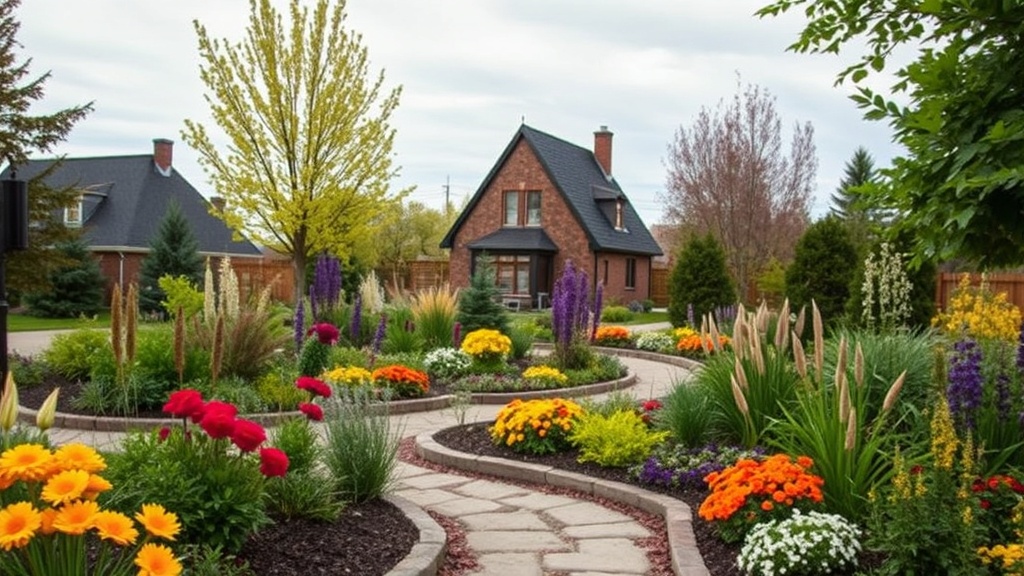
Hidden Gems and Backyard Gardens in the Mosaic of Moose Jaw

A neighbor leans over a cedar fence, pointing toward a patch of wilted tomato plants that survived the late June frost. They aren't asking for gardening tips; they're just sharing a moment of shared struggle with the unpredictable Saskatchewan weather. This post looks at the small, often overlooked pockets of greenery and private garden beauty that make Moose Jaw more than just a transit point between Regina and Calgary. We're exploring the private backyard gems, the local nurseries that stock what actually grows here, and how to find beauty in the residential streets of our city.
Living in the prairies means we deal with extreme swings. One week we're sweating through a heatwave, and the next, a sudden frost threatens the entire spring planting. It's part of the local charm, but it can be frustrating when you're trying to build a green space. Finding the right balance of hardy plants and local knowledge is what separates a struggling garden from a thriving one.
Where Can You Find Quality Garden Supplies in Moose Jaw?
You can find high-quality, locally-adapted garden supplies at specialized nurseries and local hardware stores throughout the city. While big-box retailers carry the basics, the real winners for our specific climate are the local shops that understand the short growing season. If you want plants that won't die the moment a cold front hits, you need to look at stock specifically suited for the 306 area code.
For those who want to get serious, checking out the Saskatchewan Ministry of Agriculture website can provide some baseline data on soil types in our region. Most of our backyard soil is a mix of clay and loam, which can be tricky for drainage. If you're working with heavy clay, you'll want to look into raised beds or heavy-duty compost.
When I walk through the residential areas near the downtown core, I notice a pattern. The gardens that thrive are the ones that embrace the "prairie aesthetic"—meaning they are tough, drought-resistant, and don't mind a bit of wind. You aren't going to grow tropical hibiscus here (at least not without a greenhouse), but you can grow spectacular perennials.
- Perennials: Peonies and Daylilies are the kings of the Moose Jaw garden. They handle the wind and the sun without complaining.
- Annuals: Geraniums are a staple for a reason. They provide that pop of color against the brick-heavy architecture of our historic homes.
- Vegetables: Focus on hardy varieties. Even with a long summer, you want to start your heavy hitters early.
If you're looking for inspiration, take a stroll through the neighborhoods near the historic district. The way people integrate their gardens with the older, more rugged architecture is a lesson in itself. It's not about perfection; it's about how the greenery softens the edges of the city.
How Much Does a Basic Backyard Garden Setup Cost?
A basic backyard garden setup in Moose Jaw typically costs between $200 and $500 for initial materials, depending on your existing yard conditions. This includes the cost of soil, basic tools, and a handful of starter plants. However, if you are starting from a bare patch of prairie grass, your initial investment will be higher due to the need for much more organic matter.
I've broken down some common startup costs below to give you a better idea of what to expect when you head to the local garden center.
| Item | Estimated Cost (CAD) | Purpose |
|---|---|---|
| Bagged Garden Soil (Large) | $8 - $15 | Improving soil structure |
| Basic Tool Set | $40 - $70 | Trowels, rakes, and cultivators |
| Starter Plants (Perennials) | $12 - $25 each | Long-term garden structure |
| Organic Fertilizer | $20 - $40 | Feeding plants during growth |
| Mulch (Bags) | $5 - $10 per bag | Moisture retention and weed control |
It’s worth noting that you can save a lot of money by participating in the local community. Many neighbors are happy to share cuttings or even surplus vegetables once their harvest hits its peak. This is a great way to build a garden without breaking the bank. If you're looking for a way to enjoy the outdoors without the heavy lifting, a simple patio garden with pots can be a much more affordable entry point.
Sometimes, the best way to experience the beauty of the city is to look at it from a different angle. If you're tired of looking at your own dirt, you might enjoy exploring the historic downtown area to see how the landscaping complements the older buildings. It’s a great way to get ideas for your own curb appeal.
What Are the Best Plants for the Moose Jaw Climate?
The best plants for our climate are those that are drought-tolerant and can withstand the rapid temperature fluctuations of the prairies. You want plants that can handle a "dry heat" in July and a sudden dip in temperature in August. Native species are almost always your best bet for a low-maintenance garden.
When choosing plants, don't just look at the pretty flowers. Look at the survival rate. I've seen many people buy a beautiful plant only to watch it turn into a stick within two seasons because it couldn't handle the wind. The wind in Moose Jaw is no joke—it can strip moisture from leaves faster than you can blink.
- Native Grasses: These are incredibly hardy and provide a great texture to a garden.
- Sage and Lavender: These thrive in the sun and actually prefer the drier parts of our summer.
- Hardy Roses: They might require a bit more care, but they are a classic for a reason.
- Root Vegetables: Carrots and potatoes do exceptionally well in our soil if you prep the beds correctly.
A lot of people overlook the importance of the "microclimate" in their own backyard. That corner of your yard that gets blocked by the garage? That's your sanctuary. That's where you can put the plants that need a bit more protection from the wind. On the flip side, the open areas of your yard are perfect for testing your most rugged, sun-loving specimens.
I often think about how much the community relies on these small, green spaces. Even a small patch of wildflowers can change the entire feel of a street. It's not about having a perfectly manicured lawn; it's about the character of the space. Whether it's a highly curated rose garden or a wild, pollinator-friendly patch of wildflowers, it adds a layer of life to the city that makes it feel like home.
If you're interested in the history of how our land was shaped before the residential plots were even a thought, you might find the history of the Saskatchewan prairie vegetation fascinating. It explains why certain things grow so well here and why others simply refuse to. It's all about the connection to the land, even in a suburban setting.
The next time you're out for a walk, keep an eye on the details. Look at the way the light hits the garden beds at dusk. Notice the way a well-placed shrub can create a sense of privacy in a crowded neighborhood. These small elements are what make the mosaic of Moose Jaw so interesting to live in.