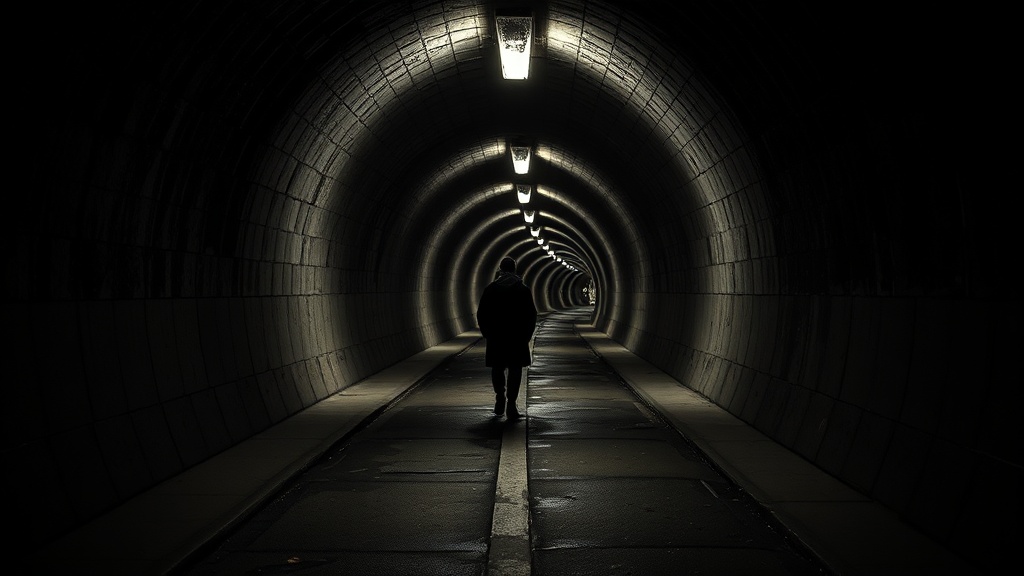
Walking Through the Shadows of the Tunnels

You’re standing near the corner of Main Street and Main, looking at a heavy iron grate in the sidewalk, wondering if there’s actually a hidden world beneath your feet. This guide covers the history, the safety protocols, and the practical logistics of exploring the underground tunnel systems in Moose Jaw, Saskatchewan. If you've ever wanted to see the actual limestone passageways that helped build this city's reputation, you need to know how to do it without getting stuck or breaking the law.
The tunnels aren't just urban legends or ghost stories told in local pubs. They are a physical part of our subterranean infrastructure, carved directly into the bentonite clay and limestone layers that sit under the streets of the Palliser region. Understanding how they work—and how to see them legally—is the difference between a fun history lesson and a very expensive fine.
What is the history of the Moose Jaw Tunnels?
The tunnels were originally excavated during the late 19th and early 20th centuries to provide a way to move goods and people through the city without facing the brutal Saskatchewan winters. Most of these passages were carved out to facilitate the movement of goods between the railway lines and local businesses, keeping everything dry and temperature-controlled.
Back in the day, these tunnels served a practical purpose for the local economy. They weren't just for show. They were a way to bypass the mud and snow that could shut down a city during a heavy thaw or a blizzard. Some of the more elaborate sections were even used for storage or as a way to move between buildings in the downtown core. It's a bit like a secret network that once kept the city's commerce moving even when the weather turned sour.
A lot of the stories you hear about bootleggers using these tunnels during the Prohibition era are rooted in local lore, but the reality is a bit more mundane. They were tools of trade. That said, the sheer scale of the carving work is still impressive to see even today. You can read more about the geological formation of the Palliser Basin to understand why this specific type of earth was so easy for early settlers to work through.
If you’re interested in the architectural history of the area, you might want to check out my previous piece on exploring historic downtown Moose Jaw. The tunnels are essentially the basement of that history.
How can you legally see the tunnels?
You can see the tunnels through organized, sanctioned tours led by local historical societies or through specific museum-led excursions. You cannot—and should not—attempt to enter the underground passages via manhole covers or unauthorized basement entrances.
The city and local heritage groups occasionally host specific events that allow the public to peek into the subterranean world. These are the only ways to see the tunnels safely and legally. Entering the tunnels on your own is trespassing, and more importantly, it's dangerous. The air quality and structural integrity of unmaintained sections are not guaranteed.
Here is a quick breakdown of what to expect depending on how you choose to experience the underground:
| Method | Access Level | Best For | Cost |
|---|---|---|---|
| Official Heritage Tours | High (Guided) | History buffs and families | Moderate |
| Museum Exhibits | Medium (Visual) | Casual visitors | Low |
| Self-Guided (Public Areas) | Low (Surface level) | Sightseeing from above | Free |
Don't assume that because a basement door is unlocked, you're allowed to go down. Most of the "tunnels" people talk about are actually private cellar networks or utility corridors. If you want the real deal, stick to the sanctioned routes. It's much better than spending a night in a cell because you thought you found a shortcut.
What gear do you need for an underground tour?
You need a reliable light source, comfortable walking shoes, and layers of clothing. Even if it's a warm summer day in Saskatchewan, the temperature drops significantly once you go underground. The thermal stability of the earth means it stays cool year-round, which can feel quite damp and chilly if you aren't prepared.
I've seen people show up for historical walks in flip-flops or light canvas sneakers. That's a mistake. The floors in these old passages can be uneven, damp, and slippery. I personally recommend a pair of sturdy boots—something like a pair of Blundstone boots—to keep your ankles stable and your feet dry.
- Light: A high-quality LED flashlight (don't rely solely on your phone's light).
- Footwear: Closed-toe, rubber-soled shoes with good grip.
- Clothing: A light jacket or a fleece (the Patagonia Better Sweater is a great choice for layering).
- Hydration: A small water bottle, though you won't need much if it's a short tour.
One thing to remember: the humidity down there is real. It's not just "cold"; it's a heavy, damp cold. If you're someone who gets cold easily, bring an extra layer. It's much easier to carry a light jacket than to sit through a history lesson shivering.
Is it safe to explore the tunnels?
No, it is not safe to explore the tunnels without professional supervision or official authorization. The structural integrity of older, unmonitored passages can be compromised by water-saturated soil or shifting ground.
The biggest risks involve two things: air quality and structural stability. In many parts of the world, old tunnels can suffer from "bad air" issues where oxygen levels drop or gases accumulate. While the Moose Jaw tunnels are generally well-ventilated by the city's current infrastructure, venturing into the unmapped or abandoned sections is a massive risk.
The city of Moose Jaw maintains much of the modern utility network, but the historical tunnels are a different beast entirely. If you're looking for a thrill, there are plenty of ways to find it in the Prairies that don't involve potentially collapsing a ceiling on your head. If you want to see the history, stick to the parts that are lit, paved, and supervised.
The catch is that the most "exciting" parts of the tunnels are often the ones that are the most dangerous. If you see a sign that says "No Trespassing" or "Authorized Personnel Only," listen to it. It's not just a suggestion; it's a safety precaution.
If you're feeling a bit adventurous after your tour, you might want to head into town for a drink. I've written about cozy pubs and local brews that are a lot more welcoming than a damp tunnel. It's a much better way to end an evening of local exploration.
The tunnels are a testament to the ingenuity of the people who built this town. They represent a time when the environment was something to be managed and bypassed through sheer grit and clever engineering. Whether you see them from a sidewalk grate or through a guided tour, they remain one of the most fascinating parts of our local heritage. Just remember to stay on the surface unless someone is holding a flashlight and a permit.